 Rushda M
REPORT ON DAY 3 OF THE WORKSHOP ON HISTOLOGICAL AND IMMUNOLOGICAL TECHNIQUES
Venue: Department of Life Sciences, CHRIST (Deemed to be University), Bengaluru
Date: 21 August 2026
Day: 3
Workshop: Hands-on Training in Histological and Immunological Techniques
Introduction
The third and final day of the workshop on Histological and Immunological Techniques was conducted at the Department of Life Sciences, CHRIST (Deemed to be University), Bengaluru. The day focused on completing the practical work in histological techniques, exploring various laboratory facilities and instruments, learning important immunological techniques through theoretical and practical sessions, and concluding the three-day workshop with a valedictory function.
Morning Session – Histological Techniques
We reached the Department of Life Sciences at around 8:45 am and continued the histological experiment that had been carried out during the previous two days. The morning session focused on the staining of the tissue sections prepared on glass slides.
The instructors explained the importance of staining in histology and guided us through the different steps involved in the staining procedure. The tissue sections were carefully stained to differentiate the various structures and components of the tissues, making them clearly visible for microscopic observation.
After staining, the slides were further processed through the necessary steps, including washing and other procedures required for the proper preparation of the sections. The slides were then prepared for microscopic observation. This practical session helped us understand the importance of proper staining techniques in obtaining clear and well-defined histological sections.
The hands-on training enabled us to gain a better understanding of the different stages involved in histological preparation. The instructors guided us throughout the procedure and helped us understand the importance of careful handling and proper staining techniques.
During the morning session, we also had a tea break.
Laboratory Visit
After the tea break, we had an opportunity to visit and explore various laboratories at the university. We were introduced to several laboratory facilities, instruments, and tools used for different scientific procedures and experiments.
The faculty member who guided us explained the functions and applications of various instruments and how they are used in different laboratory processes. We were introduced to a number of scientific instruments and gained an understanding of the different procedures and techniques carried out using them.
The laboratory visit was a highly informative experience and gave us valuable exposure to advanced laboratory facilities and scientific equipment. It also helped us understand the practical applications of various tools and techniques used in biological research.
This was followed by a lunch break.
Afternoon Session – Immunological Techniques
The afternoon session continued with immunological techniques. The session began with a theoretical class on Sandwich ELISA (Enzyme-Linked Immunosorbent Assay). The resource persons explained the principle, procedure, and applications of the technique. The session helped us understand how antigen–antibody interactions are utilised for the detection and identification of specific antigens.
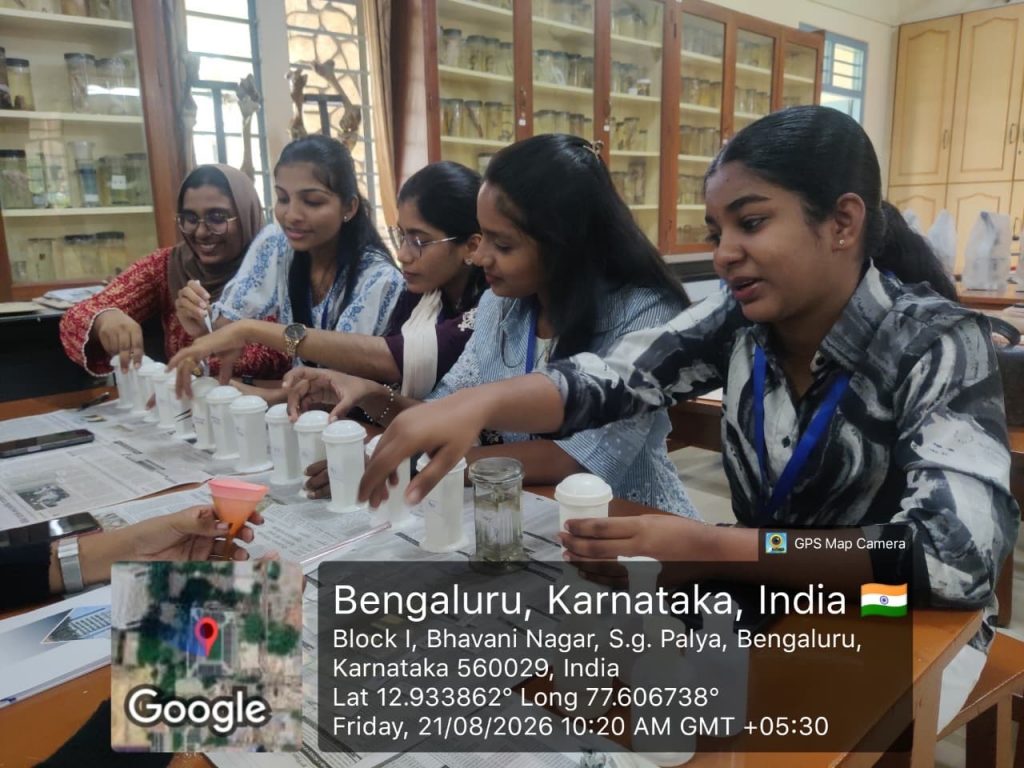
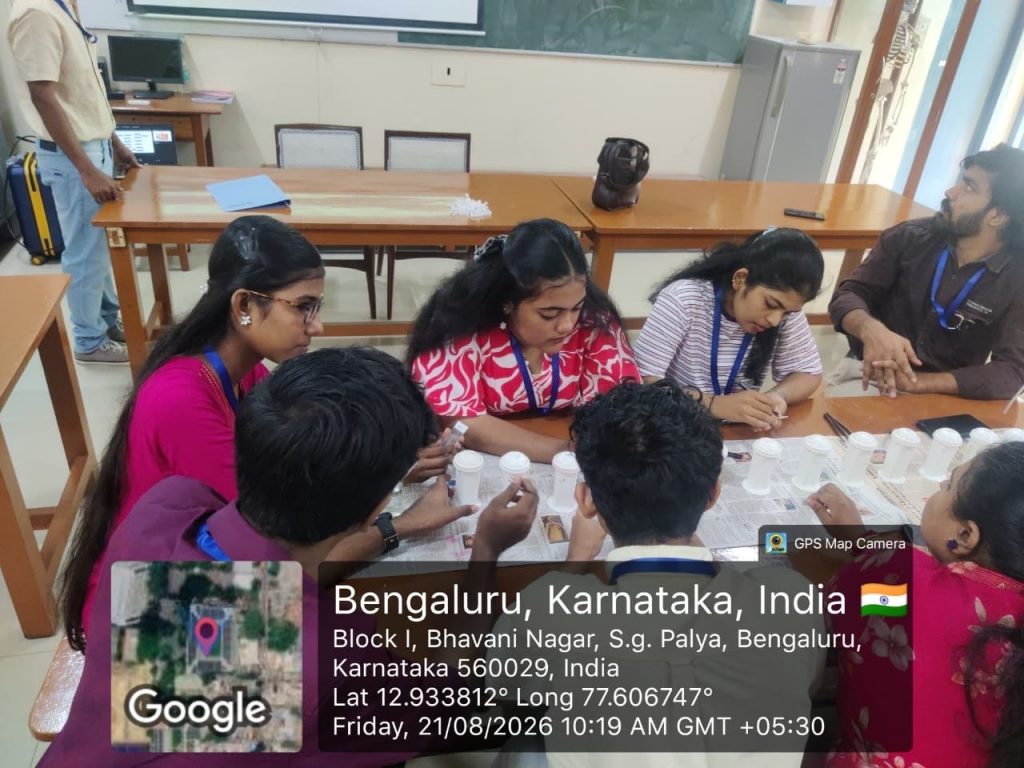
Following the theoretical session, we performed a practical experiment based on Dot ELISA. The resource persons explained the principle and different steps involved in the procedure and guided us throughout the practical session. The hands-on training helped us understand the practical application of antigen–antibody reactions in the detection of specific antigens or antibodies.
We also learned about the Rapid Plasma Reagin (RPR) test and its application as a rapid screening technique based on antigen–antibody reactions. The explanations and practical demonstrations helped us gain a better understanding of the principles and applications of these important immunological techniques.
The afternoon session was highly informative and provided us with valuable theoretical knowledge as well as practical exposure. The guidance provided by the resource persons made the concepts easier to understand and helped us connect our theoretical knowledge with practical applications.
After completing the afternoon session, we had a tea break.
Valedictory Function
Following the tea break, the valedictory function was conducted to mark the conclusion of the three-day workshop.
The chief guest of the valedictory function was Dr. Suma S., Associate Professor and PhD Coordinator. During the function, the resource persons were honoured and appreciated for their valuable guidance and contribution throughout the workshop.
The resource persons also shared their experiences and opinions about the workshop. The participants were then given an opportunity to share their feedback and experiences. Many participants expressed their appreciation for the well-organised sessions and the valuable hands-on training provided during the workshop.
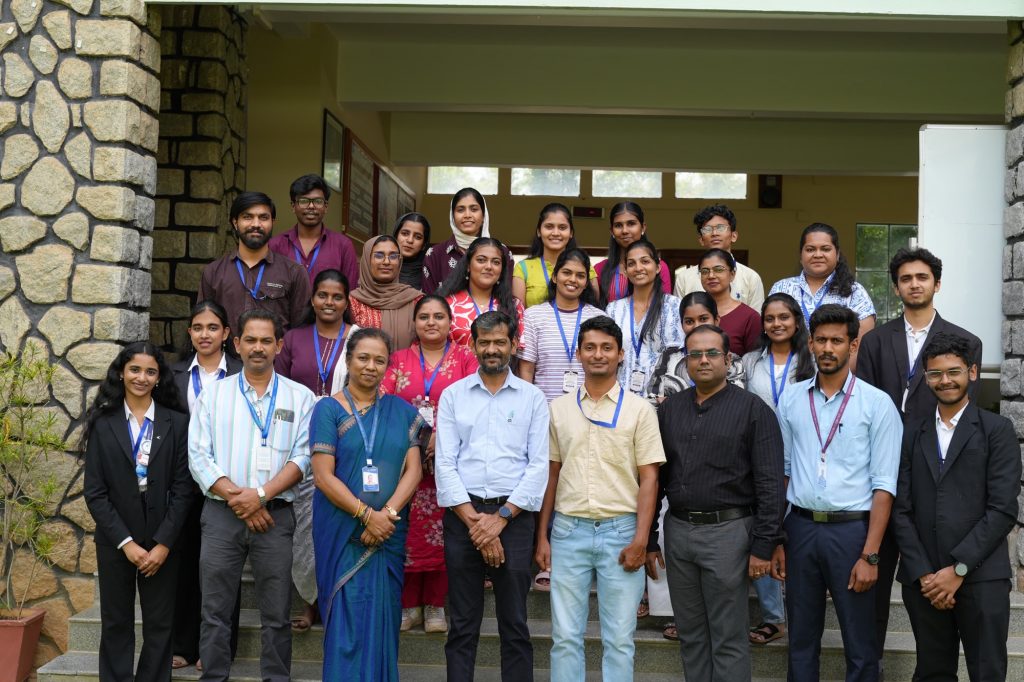
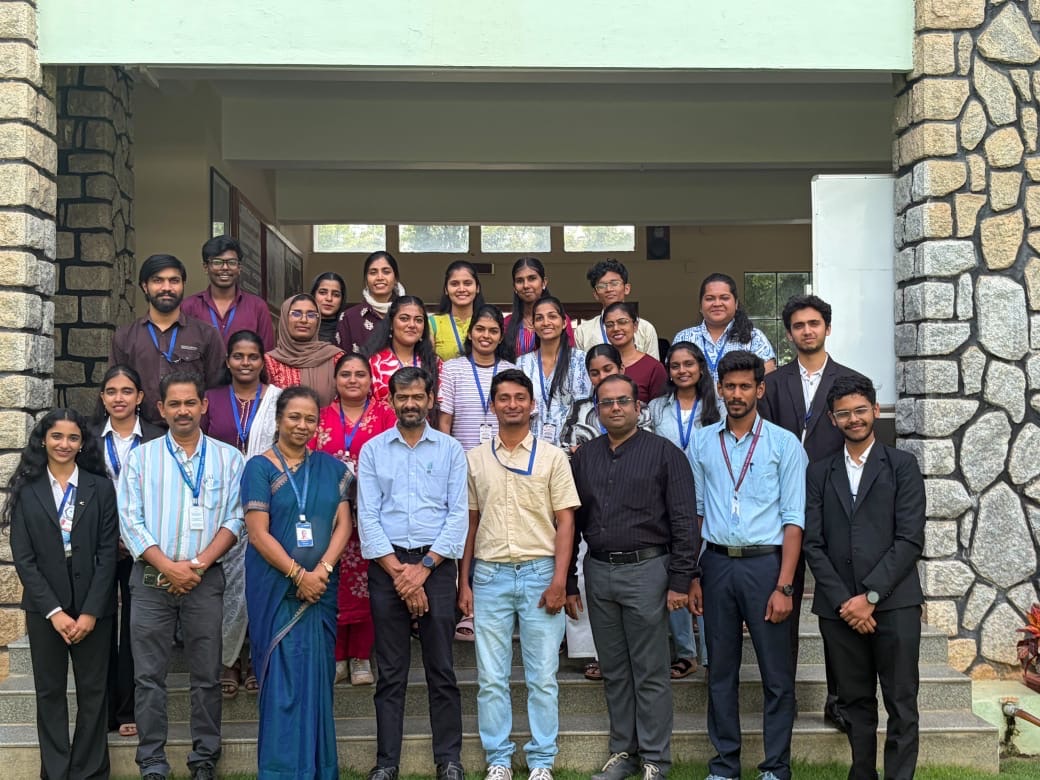
Certificates were distributed to all the participants in recognition of their successful participation and completion of the workshop. This was followed by a group photograph, capturing the memorable moments spent together during the three-day programme.
The valedictory function marked the successful conclusion of the workshop.
Evening – Visit to Commercial Street
After the successful completion of the workshop, we visited Commercial Street for some shopping and leisure time. It was an enjoyable experience and gave us an opportunity to spend time together after the academic sessions.
After completing our shopping, we returned to our rooms at around 9:30 p.m., bringing an end to another memorable and enjoyable day.
Conclusion
The third day marked the successful completion of the workshop on Histological and Immunological Techniques. The three-day programme provided us with valuable theoretical knowledge and practical exposure to important histological and immunological techniques.
The hands-on training in histology and immunology, the laboratory visit, and the interaction with the resource persons helped us gain a better understanding of the practical applications of the concepts we study in our academic curriculum.
Overall, the workshop was an enriching, informative, and memorable learning experience. It provided us with valuable scientific knowledge, practical skills, exposure to advanced laboratory facilities, and many pleasant memories that we will always cherish.